The Center for Ecological Education in Brodnica has prepared an expanded offer for schools and organized groups for 2026. The program “Nature from Theory to Practice” combines modern ecological education, contact with the living nature of the Brodnica Lake District and the unique setting of the historic granary and the ruins of the Teutonic castle.
Below you will find a detailed description of the classes, the course of the visit, costs and practical organizational tips.
1. “Nature from Theory to Practice” – theory and practice in one program
The “Nature from Theory to Practice” program is a proposal of the Museum in Brodnica for organized groups (25–30 people) who want to combine ecological education with an attractive form of spending time outdoors.
The classes are led by biologist Marek Bartkowski from the Center for Ecological Education in Brodnica. The whole lasts approximately 2.5–3 hours and consists of three parts:
- about 1 hour – theoretical part in the granary building (Center for Ecological Education),
- about 1 hour – field activities in Brodnica and by the Drwęca,
- 0.5–1 hour – integration bonfire by the castle ruins.
What distinguishes the program?
- a combination of natural science knowledge, history and archaeology,
- use of modern exhibits (aquaria, dioramas, reconstructions),
- direct contact with the nature of the Brodnica Lake District,
- active participation of students – observations, exercises, working with materials.
This is a particularly valuable offer for teachers implementing the curriculum in nature studies, biology, geography, history and civic education, as well as for educators planning integration trips.
2. Exhibitions at the Center for Ecological Education: aquaria, dioramas, Mesolithic camp
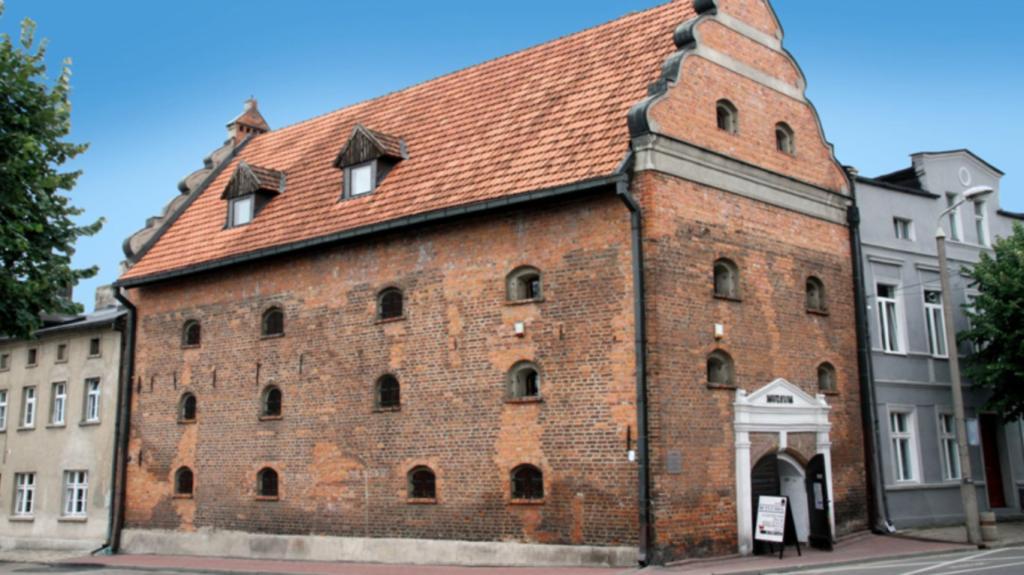
The theoretical part takes place in the Renaissance granary (ul. Św. Jakuba 1), where the Center for Ecological Education Brodnica 2026 is located. Participants visit three interconnected exhibitions.
Aquaria – the living nature of the Brodnica Lake District
In the aquarium hall, students learn about species of fish and other aquatic organisms characteristic of the region. The guide discusses, among other things:
- adaptations of fish to life in a river and a lake,
- differences between native and non-native species,
- the impact of pollution and river regulation on biodiversity.
This is an excellent starting point for the subsequent visit to the Drwęca – the longest ichthyological reserve in Poland.
Dioramas – the nature of the Lake District in cross-section
The dioramas present different habitat types of the Brodnica Lake District: forests, meadows, peatlands, lake shores. Thanks to realistic scenes, students can:
- identify species of plants and animals,
- understand food relationships and the role of individual organisms in the ecosystem,
- see examples of the negative impact of humans: intensive agriculture, improper forestry, poaching, introduction of alien species.
The guide shows concrete examples from the region, which makes it easier to later relate the knowledge to field observations.
Mesolithic camp – humans in symbiosis with nature
One of the most memorable elements is the full-scale reconstruction of a Mesolithic hunters' camp from Mszana dating back 10,000 years.
Participants learn:
- what daily life looked like for people in the middle Stone Age,
- how they used natural resources without excessively destroying them,
- how human–environment relationships changed over millennia.
This is a great starting point for a conversation about sustainable development and what modern civilization can learn from ancient management practices.
3. Field activities: city parks and the Drwęca ichthyological reserve
After the exhibition part, participants go out into the field. The Brodnica Lake District field activities are conducted through revitalized city parks and along the Drwęca River.
Route through city parks
In the city parks students:
- observe urban nature – trees, shrubs, birds, insects,
- learn examples of actions for environmental protection in the city (plantings, flower meadows, bird boxes, insect hotels),
- learn to recognize native and non-native species in the urban space.
The guide points out how green planning affects residents' comfort of life, water retention and biodiversity.
Drwęca River ichthyological reserve
The next point is the Drwęca River – the longest ichthyological reserve in Poland. It is an exceptional place to talk about:
- protection of migratory fish species,
- the importance of a natural river course,
- threats to river ecosystems (pollution, hydraulic barriers, tourist pressure).
Students can compare what they saw in the aquaria with the real aquatic environment, observing the river banks, vegetation and signs of animal presence.
4. Practical elements: observations, exercises, teaching materials
The “Nature from Theory to Practice” program is designed so that students are active participants, not just listeners.
Observations and simple field exercises
During the field activities participants carry out, among others:
- species observations (trees, birds, herbaceous plants) with the help of the guide,
- habitat comparisons – city park vs. more natural sections by the Drwęca,
- simple tasks such as: “find three examples of human actions that support nature” and “three examples of potential threats”.
Depending on the age of the group, the guide adjusts the level of difficulty of the questions and the scope of information.
Teaching materials for teachers
At the request of supervisors it is possible to prepare short worksheets or a set of questions that students can use:
- during field activities,
- after returning to school – as a summary of the trip,
- as part of educational projects (e.g. school ecological projects).
This makes it easier to include the visit to the Center for Ecological Education in the broader curriculum and to meet curriculum requirements.
Practical tips for supervisors
- recommended to bring: comfortable footwear, clothing adapted to the weather, something waterproof,
- it is good for students to have a pen/pencil and a small notebook,
- on warmer days caps with visors and water will be useful.
5. Integration and bonfire by the castle ruins
The culmination of the program is a bonfire by the picturesque ruins of the Teutonic castle in Brodnica. This is not only a tourist attraction but also an important integration element.
How does the closing look?
- a shared bonfire and sausage roasting,
- informal conversation with the leader – opportunity to ask additional questions,
- summary of the most important topics covered during the classes.
The bonfire by the castle ruins allows you to combine the natural theme with the historical one – students find themselves in a place where both the landscape and the region's history have been shaped for centuries.
Organizational tips
- Issues related to provisions for the bonfire (sausages, bread, drinks) should be agreed in advance within the group – most often schools organize them on their own.
- In case of bad weather the instructor may modify the course of the classes (shorten the field part, longer work in the building).
6. Cost, reservation and group limits
Cost of the “Nature from Theory to Practice” program
- 150 zł za grupę (25–30 osób) – the price includes:
- the theoretical part at the Center for Ecological Education,
- field activities in Brodnica and by the Drwęca,
- the bonfire closing (without provisions).
This is an attractive priced offer for schools, considering the duration (2.5–3 hours) and the substantive scope of the classes.
Group limits
- the program is intended for organized groups of 25–30 people,
- for smaller or larger groups it is worth contacting the instructor to determine the possibility of adjusting the offer.
Reservation and contact
Reservations for classes within the “Nature from Theory to Practice” program should be made directly with the instructor:
Instructor:
- Marek Bartkowski – biologist, Center for Ecological Education in Brodnica
- tel.: 508 376 122
Address of classes (granary / Center for Ecological Education):
- Museum in Brodnica – Granary\ ul. Św. Jakuba 1, 87-300 Brodnica\ tel.: 56 495 05 70\ e-mail: sekretariat@muzeum.brodnica.pl
For groups from outside Brodnica it is worth planning earlier contact (min. 2–3 weeks before the planned date) to reserve a convenient date and time.
Possibility of combining with other Museum attractions
A stay at the Center for Ecological Education can be combined with:
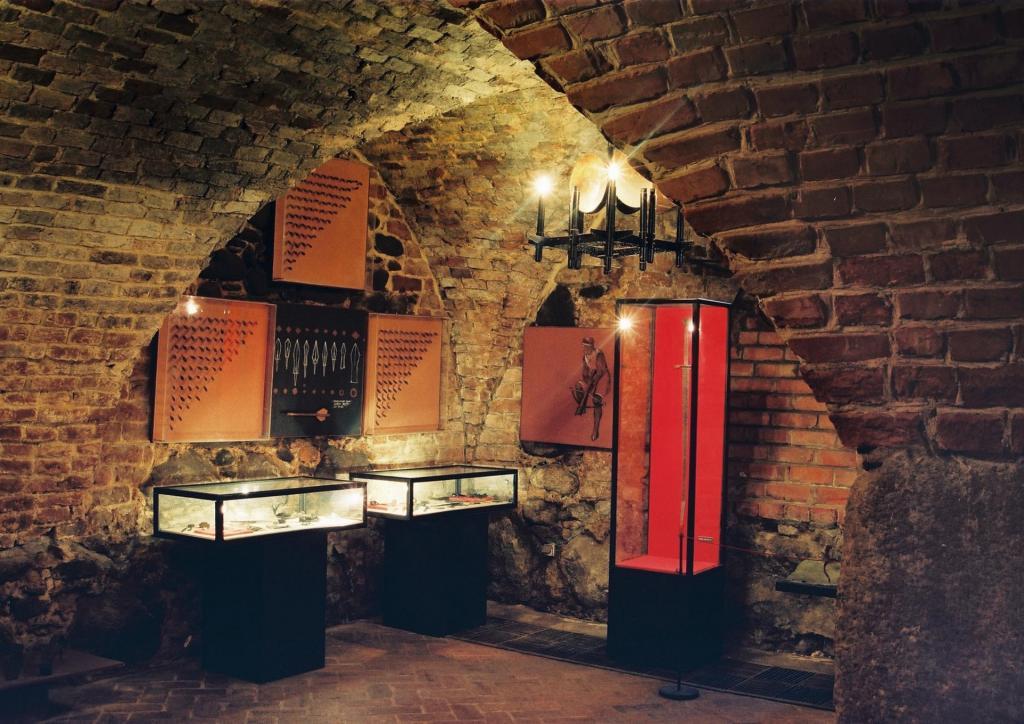
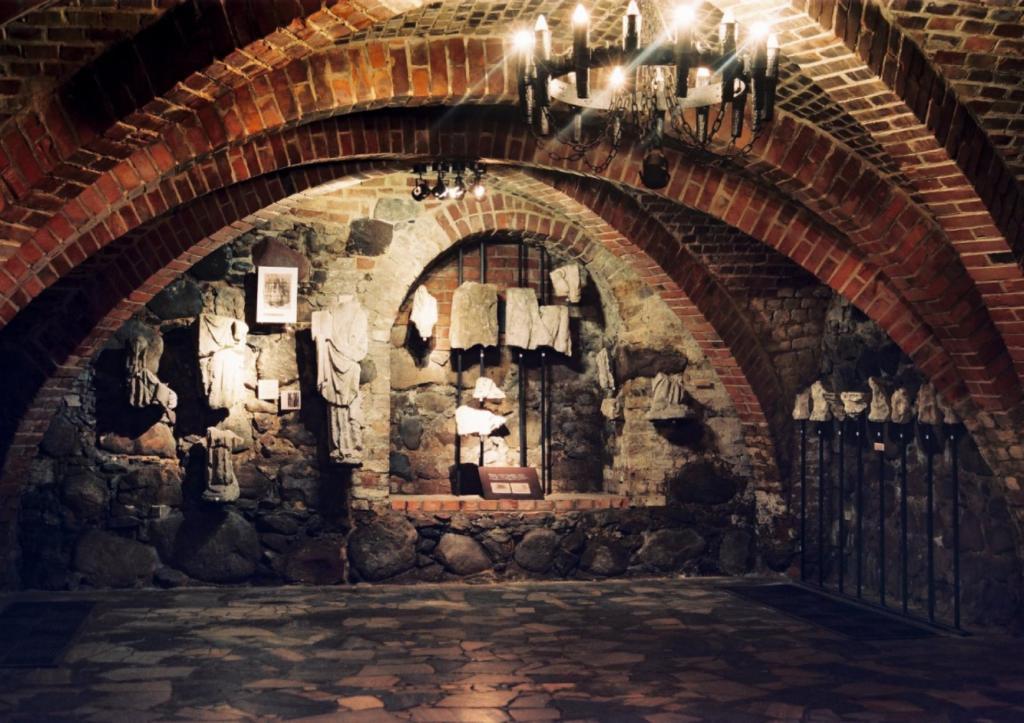
- visiting the Teutonic castle (castle cellars, permanent exhibitions),
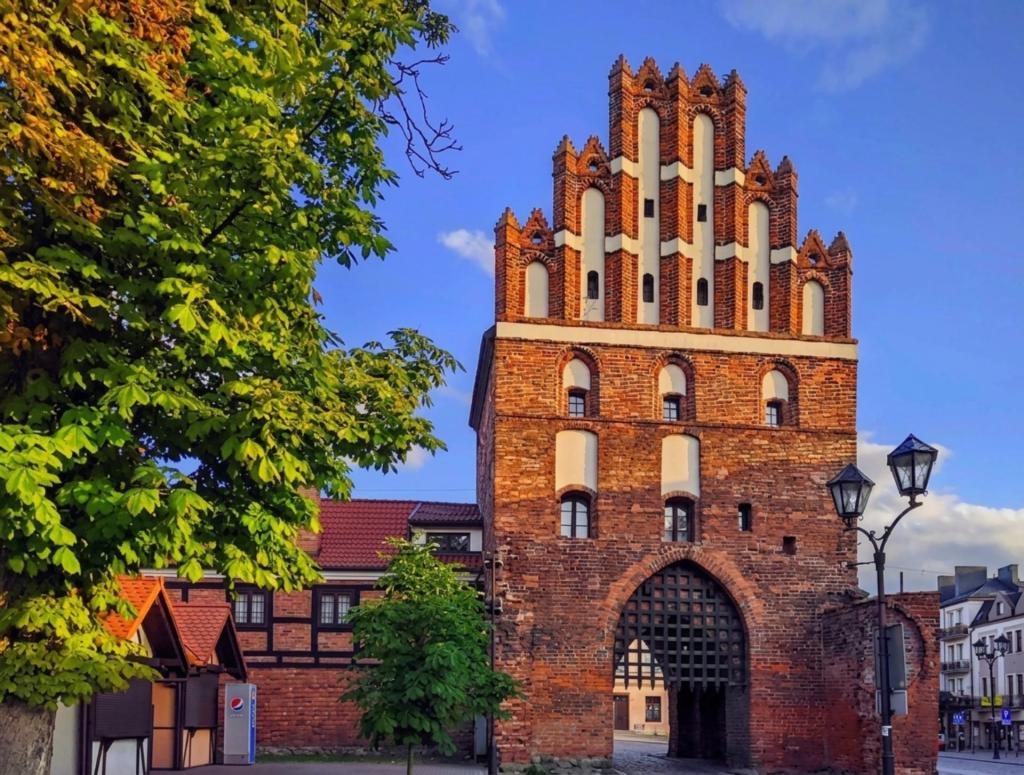
- a visit to the Galeria Brama (Brama Chełmińska),
- participation in the city game “In the Footsteps of Brodnica's Monuments”.
Ticket prices for the Museum in Brodnica objects (as of 2026):
- regular ticket: 8 zł (one object),
- reduced ticket: 5 zł (students, pupils),
- regular pass: 20 zł (all objects, valid on the day of purchase),
- reduced pass: 10 zł (students, pupils),
- guide: 30 zł/h,
- museum lessons: fee determined individually.
Tickets for the granary (Center for Ecological Education), the castle and the Chełmno Gate can also be purchased online:
- Granary / Center for Ecological Education: https://hello-poland.pl/atrakcje/muzeum-w-brodnicy-spichlerz-341
- Castle: https://hello-poland.pl/atrakcje/muzeum-w-brodnicy-zamek-krzyzacki-342
- Chełmno Gate: https://hello-poland.pl/atrakcje/muzeum-w-brodnicy-brama-chelminska-134
Summary – plan an ecological trip to Brodnica
The “Nature from Theory to Practice” program at the Center for Ecological Education Brodnica 2026 is a complete offer for schools and organized groups who want to:
- carry out ecological education in practice,
- show students the living nature of the Brodnica Lake District,
- combine learning with integration by the bonfire in a unique historical setting.
If you are planning a subject trip, a green school or a one-day integration trip – it is worth including Brodnica and the Museum in Brodnica's offer.
For dates and program details please contact the instructor:
Marek Bartkowski, tel. 508 376 122.
We invite you to discover the nature and history of Brodnica together with the Center for Ecological Education!